
Extrusion Process Engineering and Troubleshooting
Seminar
October 6 – 8, 2026
Buffalo NY
Click Here to Register
Presented By:
John Perdikoulias has over 40 years of practical Extrusion experience designing extruder screws, profile dies and multi-layer dies for film and sheet


Timothy Womer has over 50 years of practical Extrusion experience having designed of 8,000 screws for just about every extrusion process.
Back by popular demand, this 3-day seminar teaches how to engineer, maintain and troubleshoot an extrusion process and to avoid (or solve) many problems that can occur. The presenters have over 90 years of combined extrusion processes engineering experience and knowledge; much of which will be shared during the seminar.
Cost: $1,950 per person
($1,650 before September 11, 2026)
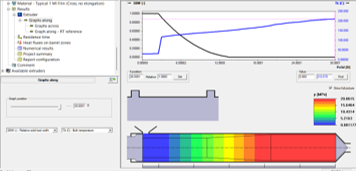
The course includes a 3-Month Trial license of the Virtual Extrusion Laboratory™ (VEL™) Material Properties module, which will be demonstrated during the seminar. The VEL™ Material Properties module provides the tools needed for users to create and maintain their own material file database from rheology data. The software has the ability to compare polymer rheology and to perform flow calculations on relatively simple, yet common, flow geometry such as adaptors or pipes.
This is a practical and “no-nonsense” seminar that will provide information that can be used immediately to help improve your design or process. We will cover Material Properties, Design Criteria, The Extruder, Dies, Coextrusion, Cooling and best operating practices. Register before September 11, 2026 and save $300 per person using code “SAV300”. The seminar is limited to 20 participants to create a more interactive event and make sure that everone’s questions are answered. There will also be time for networking and socializing among participants during breaks, lunch and a group dinner.
Who Should Attend:
This course is intended for anyone that is working on, or responsible for, an extrusion process. Operators, Supervisors, Foremen, Managers and even Technical Sales people have benefited from this seminar. Basically, anyone who would would like to better understand their extrusion process so that they can operate it more efficiently.
Click Here to Register
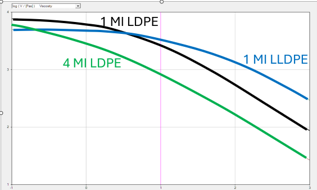
Polymer Rheology: The seminar begins with an introduction to polymer rheology and the most important material properties/characteristics that affect the extrusion process. Participants will gain valuable knowledge on how to select materials for their process or how specific material properties are considered during the design or engineering of the equipment.
What you will learn:
– What is Shear Rate, Shear Stress and how are they defined.
– What is Elongation Rate and Extensional Visocisity and how it affects your process.
– What is the Melt Index and how does it relate to the Shear Viscosity.
– How is Shear Viscosity measured and under what conditions
Design Criteria: Once polymer rheology is understood, the various design criteria will be explained along with recommended values or limits to avoid problems such a polymer stagnation and degradation.
What you will learn:
– What are the main design criteria that must be considered for a die?
– What are typical/acceptable values for the criteria?
– How are the design criteria determined and used?
– What can happen if design criteria are neglected?.
Single Screw Extruder: Since the extruder is responsible for the quality of the melt that is delivered to the process, a significant amount of the seminar deals with understanding the extruder and various screw designs. Various types of mixing elements will also be discussed. The relationship between polymer rheology and screw design will be explained in detail.
What you will learn:
– What are the main functions of an Extruder screw?
– What is the difference between conventional and barrier screws?
– How do vented extruders/screws work and what are the limitations?
– How should you monitor extruder performance?
– When should you rebuild the screw and/or barrel?
– How to avoid catastrophic screw failuer?
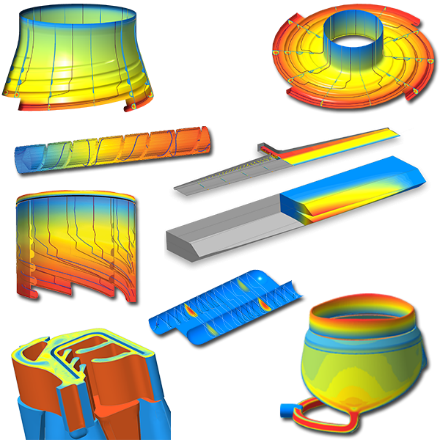
Extrusion Dies: The seminar will also present the various types of extrusion dies from Flat, to Annular to Profile. We will cover flow balancing and coextrusion recommendations while providing some specific design criteria for each.
What you will learn:
– What is the fundamental purpose of die?
– What are the important design criteria for dies?
– What are the problems and benefits of various dies?
– How should Profile Dies be optimized for maximim line speed?
– What are the important criteria for Coextrusion Dies.
– How to avoid instabilities in multi-layer flow?
Cooling: There will be a section devoted to cooling of the polymer melt and what needs to be considered for maximum production rates and optimum product quality. The topic of “Frozen Stresses” will be covered to explain why some products fail after installation.
What you will learn:
– How does cooling affect your product?
– What are frozen in stresses and how to avoid them?
– What is the benefit of colder water/air vs longer cooling time?
Operation and Degradation: The seminar will finish with combination of what was presented into best operating practice recommendations for avoiding polymer stagnation and degradation. Recommended stratagies for purging, shut down and start up will be presented to help minimize waste and possible polymer degradation.
What you will learn:
– What is the correct way to safely start an extrusion line?
– What is the correct way to shut down an extrusion line?
– How to switch between polymers or purge a line?
– How to troubleshoot a problem to find the root cause?